
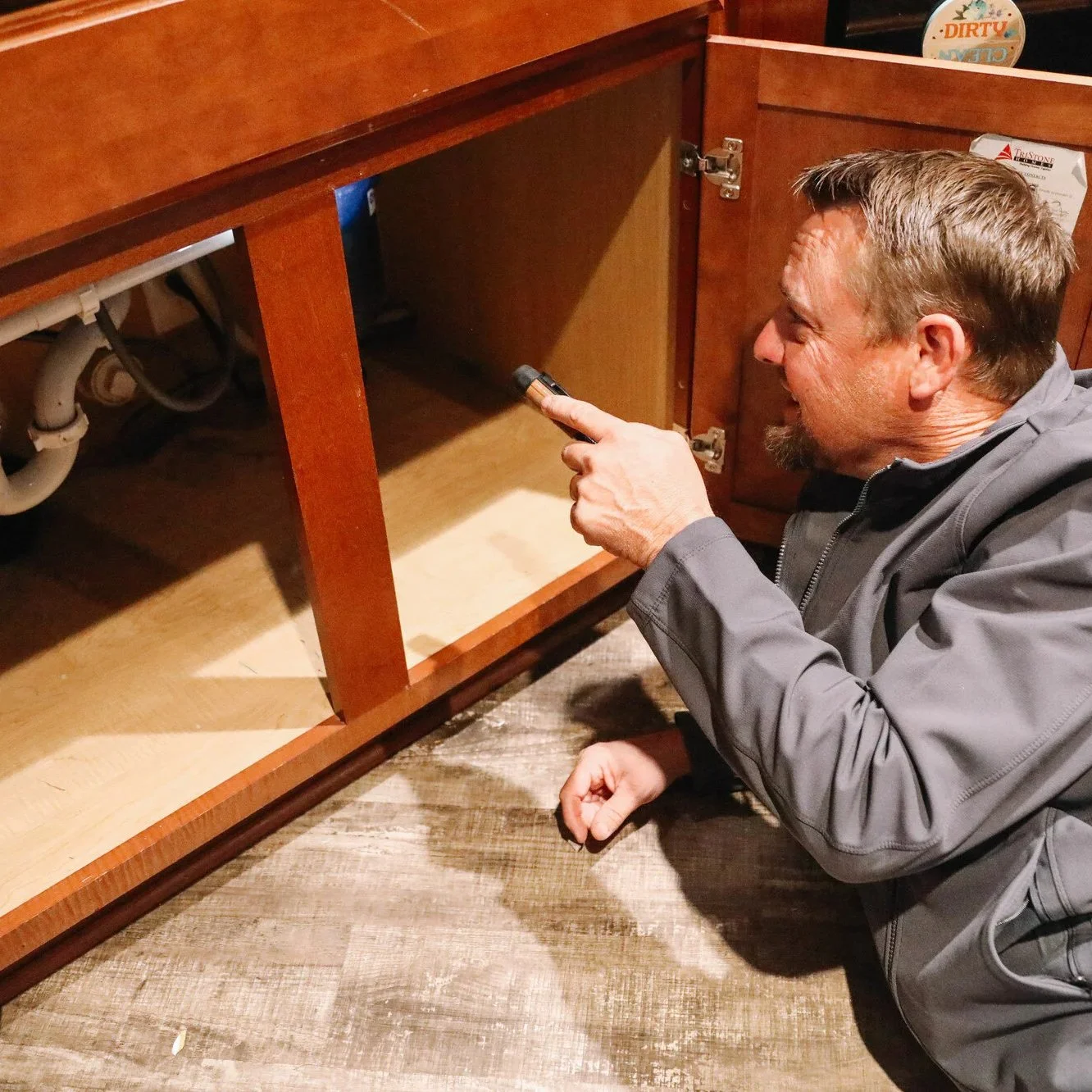
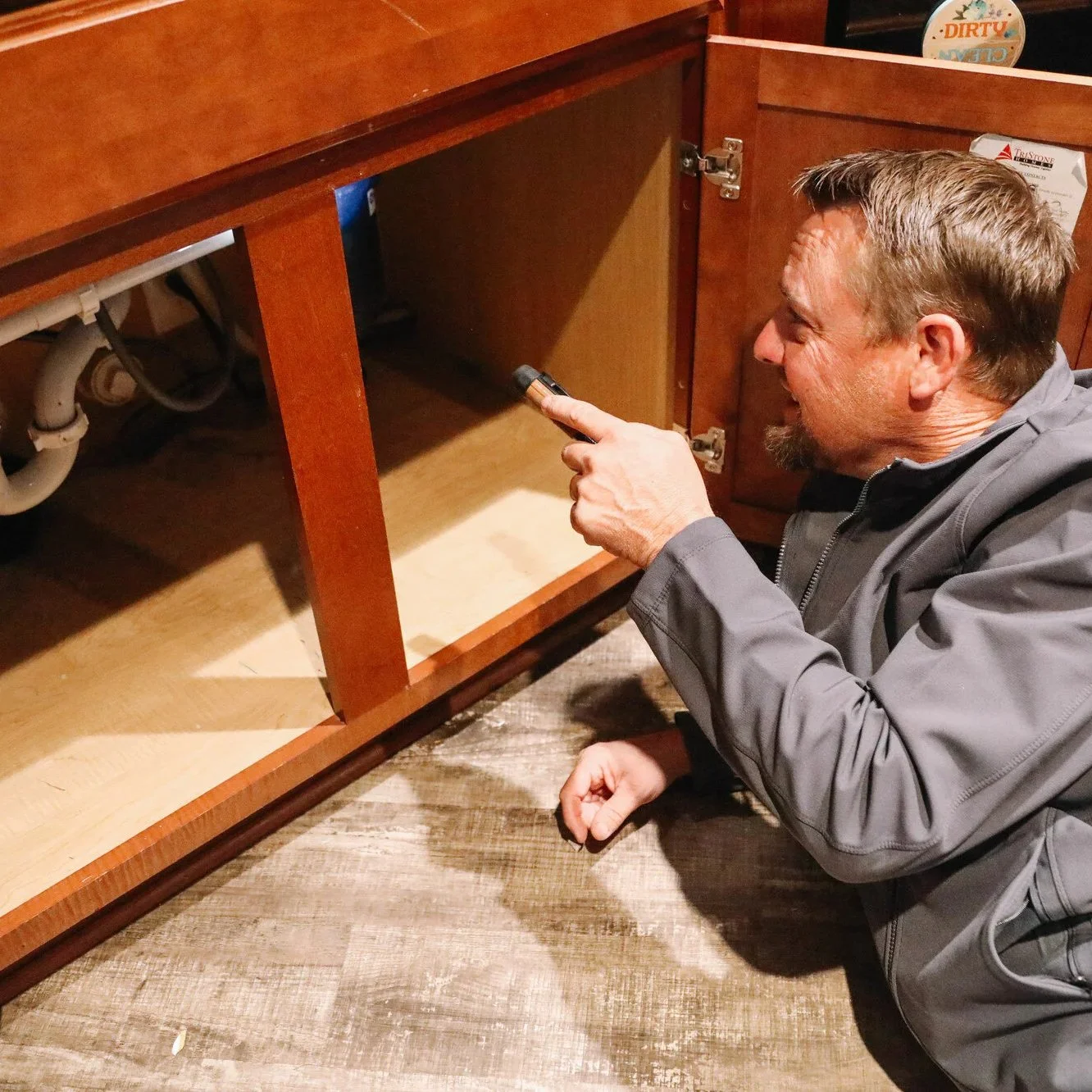
Behind the scenes, garbage disposals keep everything flowing, quite literally.
A well-running kitchen depends on more than sharp knives and a sturdy cutting board. Behind the scenes, garbage disposals keep everything flowing, quite literally. As food prep speeds up and leftovers pile on, these humble devices chew through the mess without complaint. Quiet, dependable, and often underappreciated, a good disposal system keeps the kitchen moving without fuss or frustration.
Supporting Daily Kitchen Workflows
Garbage disposals support kitchen flow by reducing food waste volume and reducing trips to the trash bin. The moment scraps disappear down the drain, clutter vanishes. With fewer peelings, rinds, and scraps taking up counter space, surfaces stay cleaner and more functional.
Time matters during meal prep, and efficient disposal minimizes interruptions. Peeling vegetables, trimming meat, or clearing plates becomes smoother with immediate disposal. The rhythm of cooking improves when there's no pause to scrape into the trash can, no double-bagging soggy leftovers, and no fear of drippy leaks during trash duty.
During cleanup, garbage disposals shine even brighter. Dish rinsing turns into a streamlined process, reducing mess and eliminating the need for excessive scraping. Even small bits of food rinsed off plates vanish with ease, keeping the sink clear and the dishwasher prepped for action.
Reducing Odors and Pests
Food waste in the trash often brings along smells, especially in warmer months. Wet, decaying scraps harbor bacteria that cause those all-too-familiar kitchen odors. Garbage disposals eliminate waste before it starts to ferment, cutting off the problem at the source.
With fewer food scraps sitting around, pests like fruit flies, roaches, or ants lose interest. Odor control becomes a passive perk of a well-used disposal, not a battle fought with sprays or candles. Sinks smell fresher, and kitchens feel cleaner.
Disposals equipped with baffles or splash guards also block food particles from floating back up, improving sanitation. Some units even feature built-in antimicrobial properties to reduce bacterial growth inside the chamber.
Choosing the Right Garbage Disposal
Not all garbage disposals handle food the same way. Power, size, and features affect performance. For a small household with light use, a basic model with lower horsepower handles daily tasks just fine. Larger households or those who cook frequently benefit from units with stronger motors, quieter operation, and more grinding stages.
More powerful units break down harder items, such as small bones or fibrous vegetables, without jamming. Advanced models operate quietly, using insulation to muffle sound while still delivering impressive results. Stainless steel grinding components resist corrosion, extend lifespan, and handle more challenging waste types.
Continuous-feed models remain the most common, allowing food to be added during operation. Batch-feed models, on the other hand, grind only after the stopper seals the chamber, which improves safety—especially for families with curious kids.
Installing for Long-Term Performance
Proper installation supports both safety and performance. Disposals require a secure mount beneath the sink, compatible electrical wiring, and a connection to the existing drain system. Plumbers align the sink flange and verify that the disposal doesn't strain pipes or cause leaks over time.
Some kitchens need minor upgrades to accommodate new units, such as swapping out an old drain basket or relocating a switch. Others may benefit from GFCI outlets or dedicated circuits, particularly on higher-horsepower models.
A clean installation includes sound-dampening features, such as rubber gaskets or mounting rings, that reduce vibration. For disposal replacements, professionals check for wear in the existing drain line and assess the condition of the sink flange. The goal is quiet, leak-free operation from day one.
Maintaining Efficiency Over Time
Even the best garbage disposal needs a little attention to keep performing. Overloading the chamber, pouring grease down the drain, or grinding non-food items can reduce the lifespan. Disposals are designed for biodegradable waste—nothing stringy, nothing sticky, and certainly no silverware.
Cold water during operation helps solidify grease, allowing the disposal to chop it instead of letting it coat the inside of pipes. Running water for a few seconds after grinding clears residue and keeps blades moving freely. Ice cubes refresh the chamber and gently scrub internal surfaces, while citrus peels add a fresh scent without harming the mechanism.
Avoiding clogs keeps everything efficient. By grinding small batches and avoiding dense food waste like potato peels or banana skins, the unit works smarter, not harder. A disposal that runs smoothly saves time, energy, and quite a few plumber visits.
Knowing When It's Time to Replace
Even dependable garbage disposals have a lifespan. Strange noises, frequent jams, foul odors that don't fade, or water leaks beneath the sink signal that something isn't right. While some issues relate to clogs or foreign objects, others stem from wear in the motor, bearings, or seals.
If the unit struggles to start or fails to grind properly, age might be the culprit. Most models last around ten years, though high-quality systems maintained properly can extend well beyond that. When repairs outpace performance, it's usually time for an upgrade.
Replacing an outdated model with a newer, more efficient version improves kitchen function and can reduce utility costs. Modern disposals operate more quietly and process waste more thoroughly, reducing the risk of future plumbing issues.
Supporting Sustainability Through Food Waste Reduction
Garbage disposals reduce landfill waste by diverting food scraps directly into the wastewater treatment system. Many modern treatment plants convert organic matter into renewable energy or compost products, giving food waste a second life. By skipping the trash bin, households contribute to a cleaner environment and a more efficient waste system.
Fewer trash bags mean less plastic headed to the landfill, and reduced trips to the outdoor bin keep neighborhoods tidier. For households that compost some items but not others, a disposal provides a backup for non-compostable food waste.
Though not all municipalities process waste identically, the environmental benefits of reduced solid waste still make disposals an attractive option. They bridge the gap between convenience and conscientious living.
Creating a Kitchen That Works for You
Every kitchen deserves systems that support its users. Garbage disposals remove one of the least enjoyable parts of cooking—cleaning up—and replace it with convenience. A reliable unit supports everyone from midnight snackers to gourmet chefs, streamlining cleanup and creating a more pleasant workspace.
When paired with thoughtful kitchen habits, garbage disposals act as quiet champions of household efficiency. They don't take up counter space, demand little attention, and provide noticeable value every single day. Even in the busiest kitchens, they handle chaos without missing a beat.
From installation to everyday use, a well-functioning disposal transforms the sink into a cleaner, more useful space. It helps food preparation and cleanup move faster while reducing waste and keeping everything more sanitary. As small upgrades go, few items punch above their weight quite like a reliable garbage disposal.
Jimmy Joe’s Plumbing LLC is a licensed, insured, and bonded plumbing service offering garbage disposals, tubs and showers, leak detection and pipe repairs, water treatment, and home remodeling plumbing services to Mesa, AZ, homeowners. Our skilled plumbers are prompt and can resolve any plumbing issue the home encounters. They can also handle plumbing emergencies efficiently. Call now!